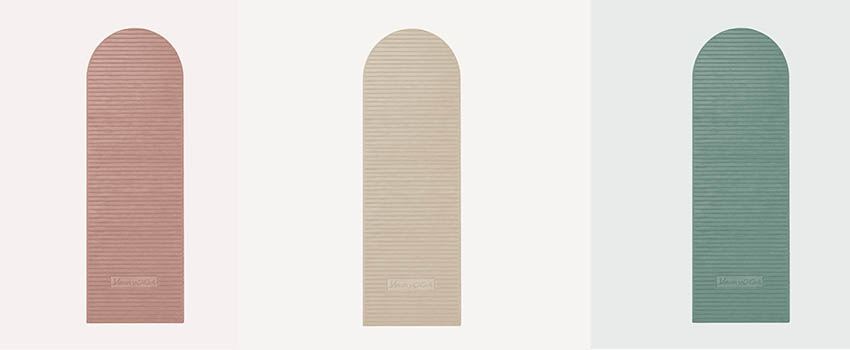
Through ongoing collaboration with international fitness brands, product developers, and B2B buyers across Europe and North America, we have observed a clear shift in sourcing priorities: standard, commoditized exercise mats are increasingly trapped in intense price competition, forcing brand owners to seek new opportunities for product differentiation and brand growth.
To protect gross margins and build sustainable brand equity, forward-thinking brands are moving away from traditional roll-up designs and actively expanding into:
- Differentiated products that stand out in saturated e-commerce marketplaces.
- Premium offerings with higher perceived value that justify stronger retail price points.
- New functional categories designed specifically for modern, mobile consumer lifestyles.
Among these emerging categories, the foldable yoga mat has evolved from a niche travel accessory into a major product opportunity for growing fitness brands.
The Changing Yoga Product Market in 2026
Consumer expectations surrounding fitness gear have shifted permanently. Modern practitioners no longer view a yoga mat purely as a stationary studio item. In our discussions with fitness distributors and private label sellers, three market drivers consistently define the evolving yoga product market:
- Travel Wellness & Mobility: Hybrid work models, global travel, and outdoor retreats mean users demand compact gear that transitions effortlessly between hotel rooms, parks, and home studios.
- Sustainability as a Baseline: Environmental compliance is no longer a unique selling point—it is a baseline requirement. Western consumers expect non-toxic materials free from PVC or heavy metals.
- Functional Aesthetics: High-end gear must look and feel sophisticated. Minimalist geometry, clean fold lines, and understated neutral tones allow brands to position products in the premium retail bracket in the current yoga market.
The Demand Behind Portable Yoga Products
The rising interest in portable fitness equipment is backed by broad industry shifts across the wellness sector. According to market research from platforms such as Technavio
and IMARC Group, global yoga participation continues to expand alongside the rapid growth of travel wellness and outdoor fitness retreats.
For a specialized yoga mat manufacturer, this trend is increasingly visible in production schedules:
- Consumers are actively seeking a secondary travel yoga mat to complement their heavier home studio mats.
- A well-engineered foldable yoga mat is especially valuable for consumers who need portable fitness equipment without bulk.
- Hotels, boutique resorts, and wellness retreats are placing bulk orders for a compact portable yoga mat that can be easily stored or gifted to guests.
- This makes the product one of the most attractive portable yoga mat solutions for travel-focused brands looking to lower customer acquisition costs in the modern fitness market.
What Is a Foldable Yoga Mat?
A foldable yoga mat is a specially engineered practice mat designed to fold along precision-molded seam lines into a compact, rectangular block rather than rolling into a standard cylinder.
Unlike traditional roll-up mats—which can be bulky to carry, awkward to pack, and prone to curling at the edges during practice—a foldable mat lays completely flat as soon as it is opened. Designed primarily for travel, outdoor fitness, and on-the-go lifestyle routines, it slides effortlessly into standard carry-on luggage, backpacks, or tote bags, providing practitioners with a personal, hygienic practice surface wherever they travel.
Why Foldable Travel Yoga Mats Are Emerging as a Premium Product Opportunity
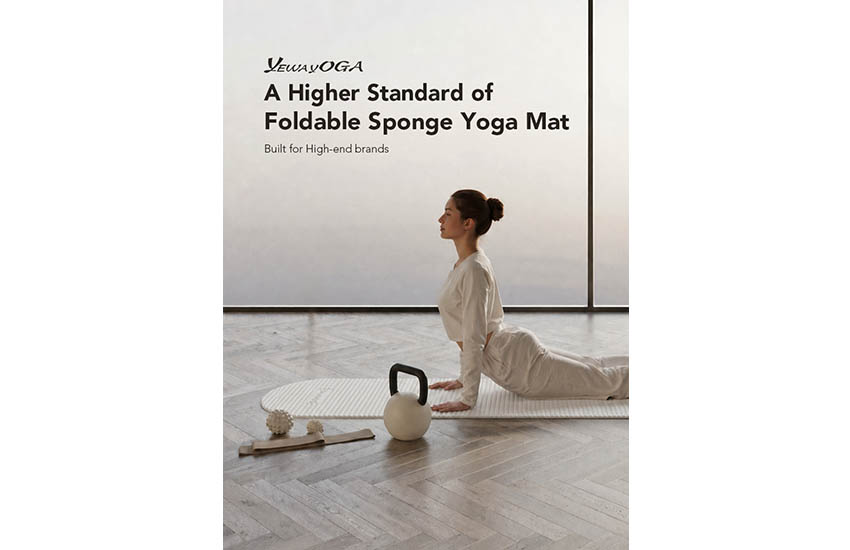
A well-engineered foldable travel yoga mat bridges the gap between studio-grade performance and ultimate mobility. Rather than competing in the low-margin space of basic exercise gear, foldable mats function as a specialized lifestyle product.
- On-the-Go Convenience: Designed specifically to pack flat, a foldable yoga mat fits seamlessly into standard carry-on suitcases, backpacks, or tote bags without awkward bulge.
- Hygiene & Independence: Frequent travelers and retreat attendees increasingly prefer bringing their own clean, personal practice surface rather than using shared rental mats.
- Stronger Margin Potential: Because foldable mats solve a clear consumer pain point, brands can command higher retail price points with better gross margins than traditional roll-up mats.
Why Consumers and Brands Are Moving Beyond Traditional Roll-Up Yoga Mats
| Feature / Metric | Traditional Roll-Up Yoga Mat | Modern Foldable Travel Yoga Mat |
| Portability | Bulky cylinder; requires external straps or dedicated bags | Flat, compact block; slides directly into standard luggage |
| Storage & Packing | Takes up significant volume; awkward for transit | Space-saving; packs like a laptop or stacked clothing |
| Shipping Efficiency (CBM) | Lower container density due to gaps between round tubes | High packing density; flat stacking optimizes carton capacity |
| Fulfillment Costs | Higher dimensional weight fees for D2C & Amazon FBA | Lower dimensional weight, reducing fulfillment expenses |
Key Features Brands Look for in Foldable Yoga Mats
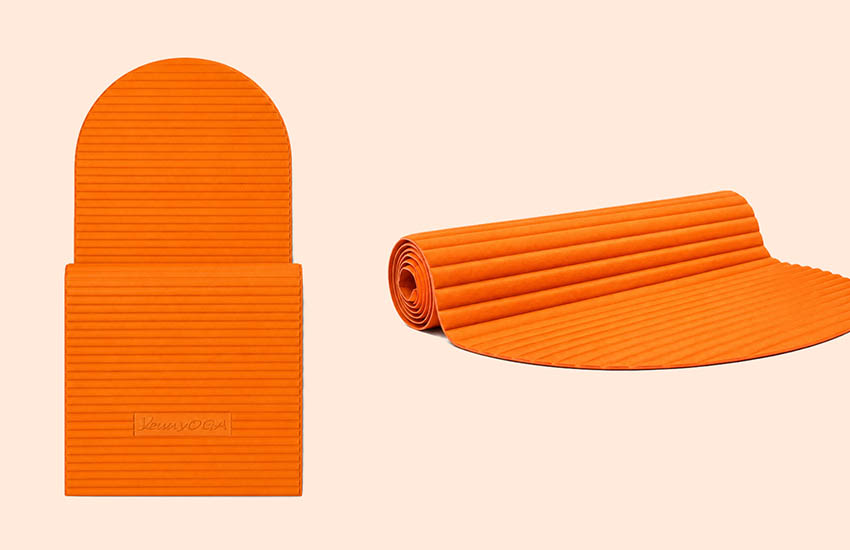
When sourcing a foldable yoga mat for a private label yoga mats collection, brand managers and product developers prioritize specific engineering metrics:
- Lightweight Construction: Must remain easy to carry in luggage without feeling flimsy during practice.
- Superior Non-Slip Traction: Dual-sided grip that performs reliably on hotel hardwoods, tile, and carpeted floors.
- Eco-Friendly TPE Material: Odorless, non-toxic, and free from PVC or phthalates.
- Enhanced Folding Durability: Molded fold lines that endure thousands of flexes without tearing or leaving obstructive crease marks during practice.
- Effortless Storage: Folds flat in seconds and retains a neat, rectangular profile.
Why TPE Is Becoming a Popular Material Choice for Foldable Yoga Mats
For brands searching for a reliable yoga mat manufacturer, material expertise is one of the most important factors when selecting a supplier.
Material Performance Comparison for Travel & Studio Mats
| Material | Key Advantages | Commercial Limitations | Best Suited For |
| PVC | Affordable, widely available | Less eco-friendly positioning, heavier | Budget retail lines |
| Natural Rubber | Premium wet/dry grip, organic material | Heavy weight, higher shipping cost | Heavy studio mats |
| TPE | Lightweight, recyclable options, travel-friendly | Requires specialized molding tools | Foldable travel yoga mats |
| Cork | Naturally antimicrobial, organic aesthetic | Requires precise backing bonding | Eco-wellness lifestyle lines |
Among the various materials available in the market—such as PVC, Natural Rubber, and Microfiber—TPE (Thermoplastic Elastomer) has emerged as one of the most balanced material choices for travel configurations:
- Optimal Strength-to-Weight Ratio: TPE delivers comfortable cushioning while remaining significantly lighter than natural rubber, making it ideal for airline travel weight limits.
- Eco-Conscious Profile: Many TPE formulations are recyclable and offer a more sustainable alternative to traditional PVC materials, complying with European REACH and US California Proposition 65 standards.
- Tear-Resistant Elasticity: An optimized high-density TPE formulation allows for precise geometric creasing, ensuring the mat unfolds flat every time without structural breakdown along the fold joints.
Best Yoga Mat Categories for Brands Expanding Their Product Portfolio
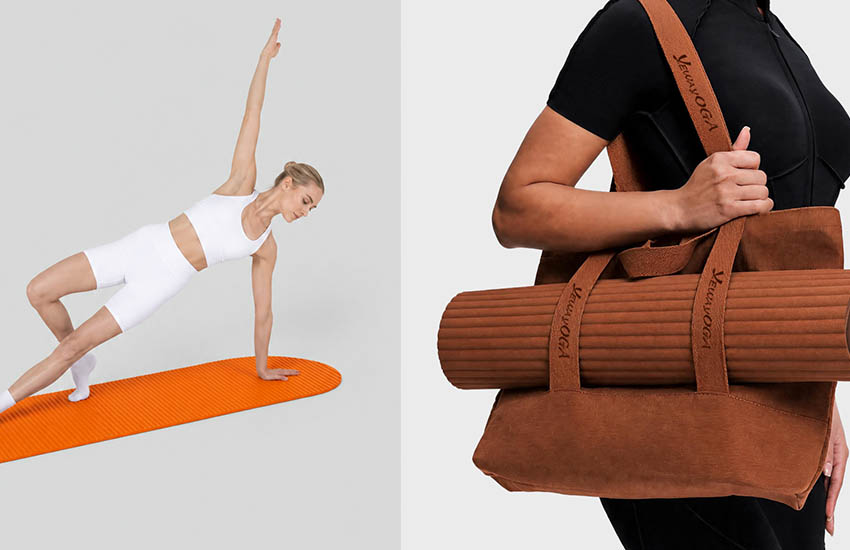
To build a well-rounded brand portfolio, successful companies rarely rely on a single product type. Below is a comparison of key yoga mat categories for brand expansion:
| Product Category | Primary Target Audience | Key Commercial Advantage | Recommended Material Link |
| Foldable TPE Yoga Mats | Travelers, digital nomads & lifestyle brands | High space efficiency, lightweight, strong differentiation | Explore Foldable TPE Series |
| PU Yoga Mats | High-end studio practitioners & luxury brands | Ultimate wet/dry non-slip grip, laser alignment options | View PU Yoga Mats |
| Natural Rubber Yoga Mats | Eco-conscious consumers & professional yogis | Organic cushioning, heavy-duty floor stability | Browse Rubber Yoga Mats |
| Cork Yoga Mats | Eco-wellness brands & hot yoga studios | Naturally antimicrobial, sweat-activated traction | Discover Cork Yoga Mats |
Why Foldable Yoga Mats Create New Opportunities for Private Label Brands
Adding a foldable travel yoga mat to your lineup is an effective strategy to differentiate your product catalog:
- Lower Competition Density: Compared with traditional yoga mat categories, foldable yoga mats offer brands a more differentiated product position in increasingly competitive marketplaces.
- Higher Average Order Value (AOV): Travel mats naturally lend themselves to product bundling—pairing exceptionally well with custom travel pouches, carrying straps, and yoga towels.
- Broader Audience Reach: Appeals directly to digital nomads, business travelers, yoga instructors, and wellness retreat participants.
OEM & Custom Yoga Mat Solutions for Growing Brands
With years of experience in yoga product manufacturing, YEWAY supports brands from initial concept development and material selection to mass production and global delivery. As an experienced yoga mat manufacturer, we specialize in private label development and wholesale yoga mats supply for global fitness brands, distributors, and e-commerce sellers across Europe and North America.
Our Comprehensive Manufacturing Capabilities
Whether you are looking for an innovative foldable travel yoga mat or premium studio mats, our manufacturing facility offers complete customization options:
- Foldable TPE Yoga Mats: Engineered with optimized high-density TPE for enhanced folding durability, lightweight handling, and dual-sided non-slip traction.
- PU Yoga Mats: Studio-grade Polyurethane bonded with rubber for maximum grip and laser-engraved alignment lines.
- Natural Rubber Yoga Mats: Eco-friendly, heavy-duty mats offering organic cushioning and premium stability.
- Cork Yoga Mats: Sustainable cork surfaces bonded with rubber or TPE bases, naturally antimicrobial and sweat-resistant.
Full OEM & Private Label Services
- Custom Logos & Branding: Laser engraving, debossing, screen printing, and Pantone color matching.
- Tailored Packaging: Custom retail boxes, eco-friendly paper sleeves, travel pouches, and Amazon FBA-ready packaging.
- Strict Quality Control: Full material compliance (REACH, RoHS) with rigorous factory testing for durability and traction.
Learn more about our Private Label Yoga Mat Manufacturing Services
or explore our full range of Wholesale Yoga Mats.

Frequently Asked Questions (FAQ)
Q1: Are foldable yoga mats better for travel than roll-up mats?
Yes. Foldable yoga mats pack completely flat into a rectangular shape, sliding directly into standard suitcases or carry-ons without taking up bulky cylindrical space like traditional roll-up mats.
Q2: What makes foldable yoga mats different from regular travel yoga mats?
While some travel mats are simply thin rubber sheets meant to be rolled up tightly, a dedicated foldable yoga mat features engineered crease lines that allow it to fold into a neat, rigid rectangular block. This provides better structural folding stability, faster packing, and protection against permanent rolling curls.
Q3: What material is best for a foldable travel yoga mat?
High-density TPE (Thermoplastic Elastomer) is one of the best materials for a foldable yoga mat because it provides an ideal balance of lightweight handling, tear-resistant folding durability, eco-friendly recyclability options, and excellent dual-sided traction.
Q4: Can brands customize foldable yoga mats with private labels?
Yes. At YEWAY, we offer complete OEM and private label customization for foldable yoga mats, including custom Pantone surface colors, laser-engraved or debossed logos, custom travel pouches, and retail packaging.
Q5: Can I create my own branded yoga mat design or custom pattern?
Absolutely. As a specialized yoga mat manufacturer, YEWAY provides full OEM design services. Brands can customize surface textures, print custom laser alignment graphics, or develop unique packaging solutions tailored to their target market.
Q6: What types of businesses can sell foldable travel yoga mats?
Foldable travel yoga mats are ideal for activewear and fitness brands, e-commerce & Amazon sellers seeking differentiated SKUs, boutique hotels and wellness resorts, corporate wellness gift programs, and fitness influencers launching private label accessory lines.
Q7: What is the Minimum Order Quantity (MOQ) for custom wholesale yoga mats?
Our standard MOQ for custom private label yoga mats typically starts at 300–500 units per color/design, depending on the material and customization requirements. Contact our team for specific project inquiries.
Q8: How long does OEM yoga mat production take?
Standard sample development takes approximately 5–7 days. Full bulk production lead time generally ranges between 20 and 30 days after sample approval and deposit confirmation.
Conclusion
The fitness landscape belongs to brands that adapt to modern consumer mobility. Foldable travel yoga mats represent a powerful opportunity to enter a high-demand niche, optimize international shipping costs, and deliver true value to modern practitioners.
YEWAY is a professional yoga mat manufacturer specializing in OEM and private label yoga products.
Expand Your Brand Portfolio with YEWAY
Looking for a unique yoga product to expand your brand portfolio? YEWAY provides complete OEM and private label yoga mats manufacturing solutions.
Whether you are looking to launch a flagship foldable yoga mat or customize a full line of PU, Cork, or Rubber mats, our product team is here to bring your vision to market.