For global yoga brands, Amazon sellers, fitness distributors, and sourcing managers, choosing the right yoga mat manufacturer is more than just comparing wholesale prices. It requires understanding how mats are made, how materials behave, and how quality is controlled on the factory floor.
This guide explains the complete yoga mat manufacturing process, from raw material selection and production techniques to quality control, certifications, and bulk sourcing considerations.
Quick Answer: How Are Yoga Mats Manufactured?
Most yoga mats are manufactured through a process that includes:
- Raw Material Selection
- Material Mixing
- Foaming or Calendering
- Sheet Formation
- Surface Embossing
- Cutting and Sizing
- Logo Printing
- Quality Inspection
- Packaging and Shipping
The exact process varies depending on whether the mat is made from PVC, TPE, natural rubber, cork, or jute.
What Materials Are Used in Yoga Mat Manufacturing?
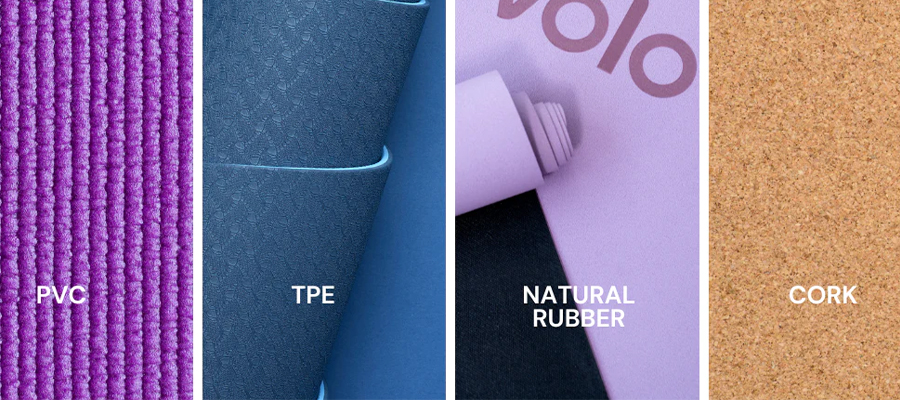
The choice of material determines the yoga mat’s durability, grip, comfort, environmental impact, and production cost.
PVC (Polyvinyl Chloride)
PVC remains one of the most widely used yoga mat materials due to its durability, affordability, and ease of mass production.
Advantages
- Excellent durability
- Low production cost
- Good cushioning
- Easy maintenance
Best For
- Fitness centers
- Promotional yoga mats
- Mass-market retail
TPE (Thermoplastic Elastomer)
TPE combines lightweight performance with recyclability, making it popular among modern yoga brands.
Advantages
- Light weight
- Recyclable
- Soft texture
- Odor-free
Best For
- E-commerce brands
- Yoga studios
- Eco-conscious consumers
Natural Rubber
Natural rubber yoga mats are positioned in the premium segment due to their exceptional grip and sustainability.
Advantages
- Superior traction
- Long lifespan
- Renewable resource
Best For
- Professional yoga brands
- Boutique studios
- Premium markets
Cork + Rubber/TPE
Cork provides a naturally antimicrobial surface and performs exceptionally well during hot yoga sessions.
Jute + PER/PVC
Jute yoga mats offer a natural aesthetic and textured surface preferred by certain niche wellness brands.
Yoga Mat Material Comparison
| Material | Durability | Grip | Eco-Friendliness | Weight | Cost |
| PVC | Excellent | Good | Low | Medium | Low |
| TPE | Good | Good | Medium-High | Light | Medium |
| Natural Rubber | Excellent | Excellent | High | Heavy | High |
| Cork + Rubber | Good | Excellent | High | Medium-Heavy | High |
Insider Insights: What We Have Learned from Manufacturing Millions of Yoga Mats
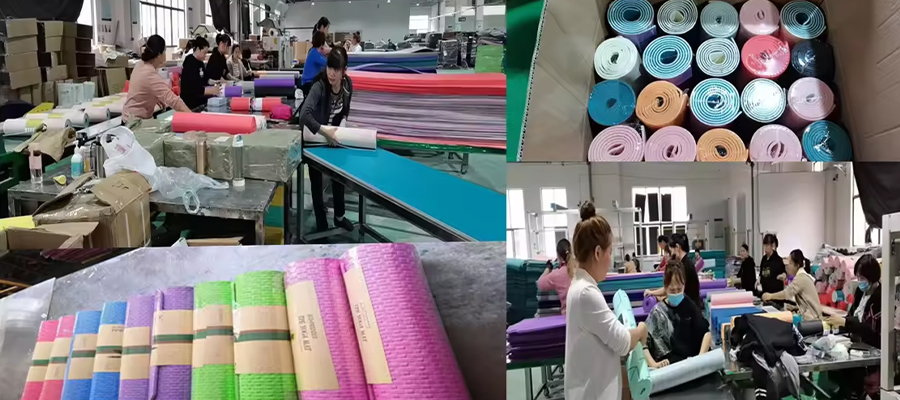
Over the years, we have supplied yoga mats to distributors, private-label brands, yoga studios, and online retailers worldwide.
Based on our manufacturing experience:
- TPE yoga mats currently represent the fastest-growing category among private-label brands.
- Natural rubber mats continue to dominate premium yoga markets.
- PVC remains the preferred solution for commercial gyms and promotional programs.
- Customized packaging is increasingly important for e-commerce brands.
Step-by-Step Yoga Mat Manufacturing Process
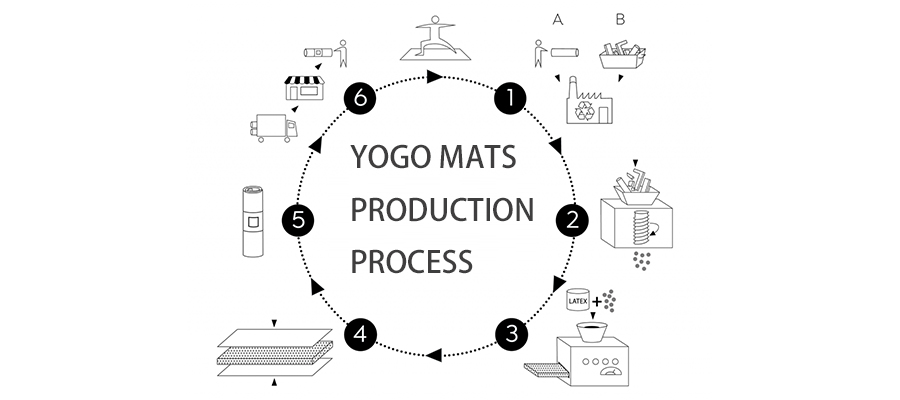
Step 1: Raw Material Selection
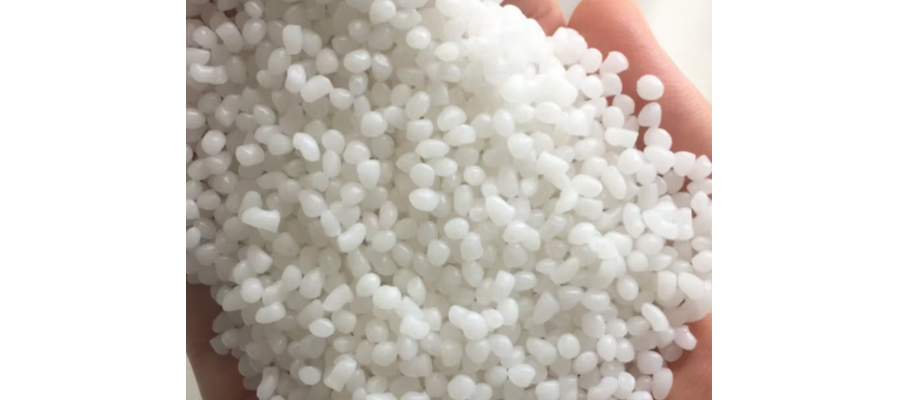
Raw materials are inspected for purity, consistency, and compliance with applicable regulations such as REACH and RoHS.
Step 2: Material Mixing
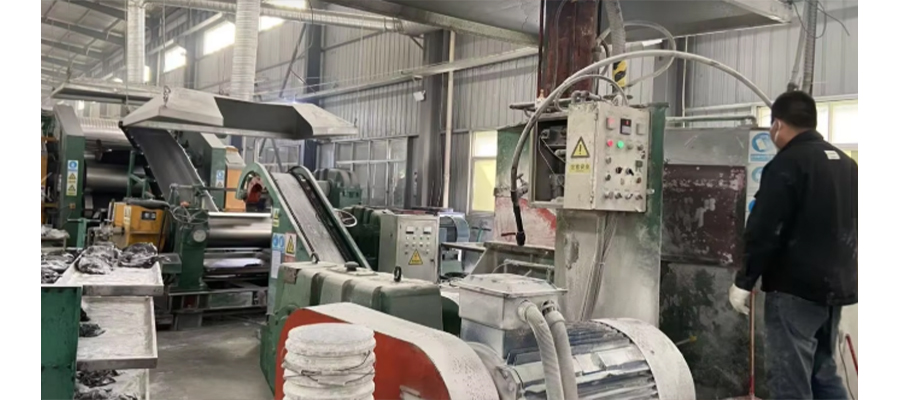
Materials are blended with foaming agents, pigments, and additives to achieve the desired density, softness, and color.
Step 3: Foaming or Calendering
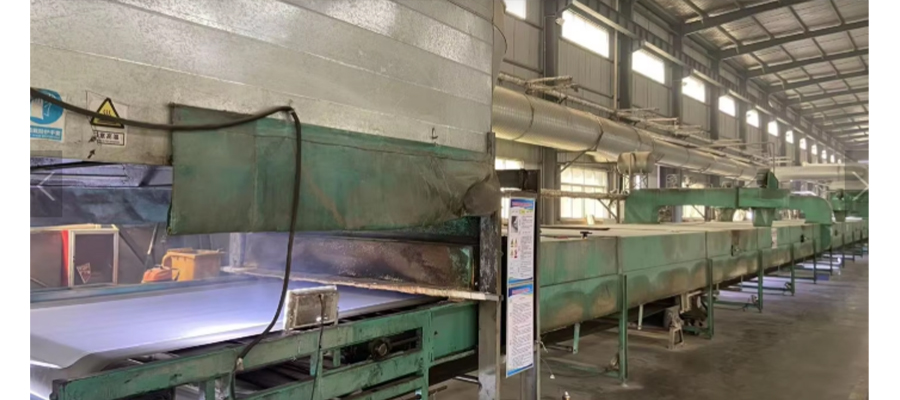
PVC and TPE mats typically use extrusion and foaming technology.
Natural rubber mats undergo calendering and vulcanization.
Step 4: Cooling and Sheet Formation
The material is cooled and stabilized to maintain dimensional accuracy and consistent thickness.
Step 5: Surface Embossing and Texturing
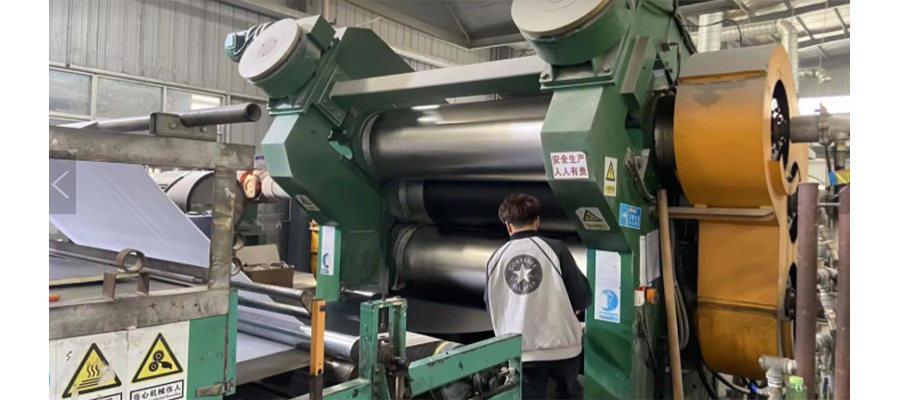
Embossing rollers create anti-slip surface patterns that enhance grip and visual appeal.
Step 6: Cutting and Sizing
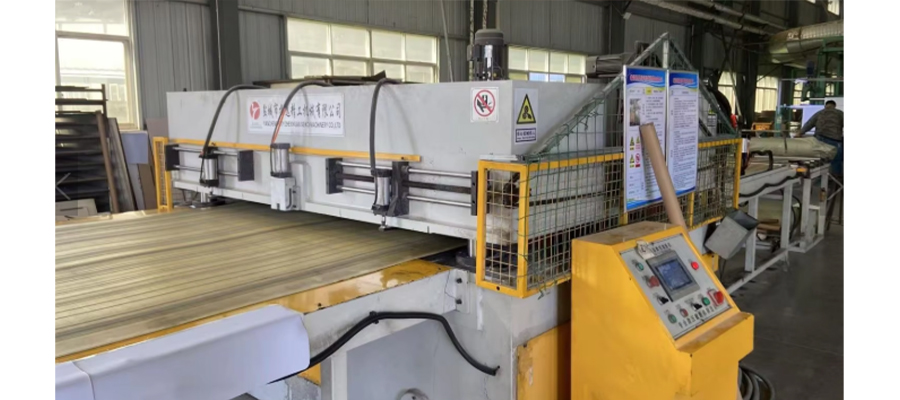
Large sheets are cut into standard or customized dimensions.
Popular sizes include:173 × 61 cm、183 × 61 cm 、Custom oversized mats
Step 7: Logo Printing and Branding
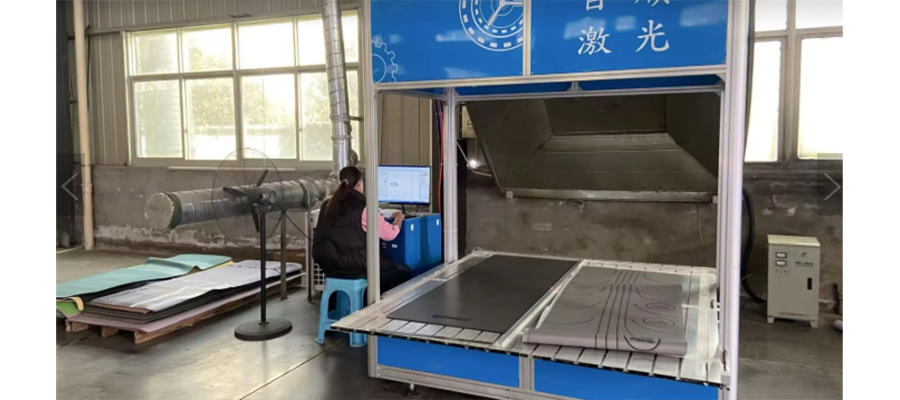
Manufacturers apply branding using various methods:
- Laser Engraving
- UV Printing
- Silk Screen Printing
Step 8: Quality Inspection
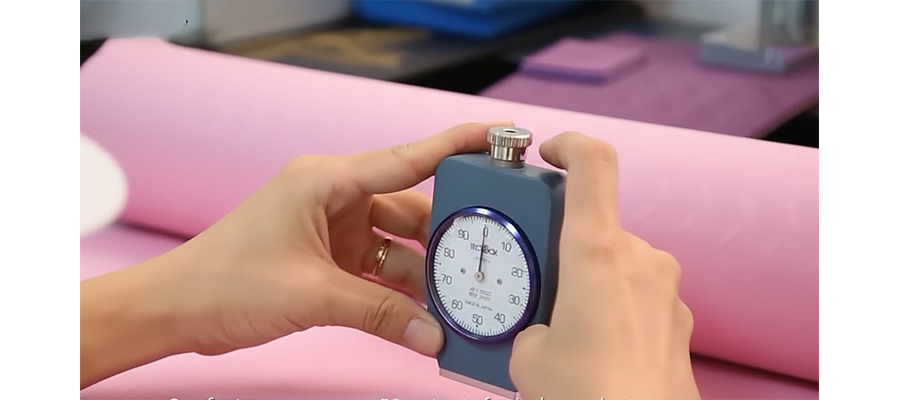
Each production batch undergoes multiple quality checks before packaging.
Step 9: Packaging and Shipping
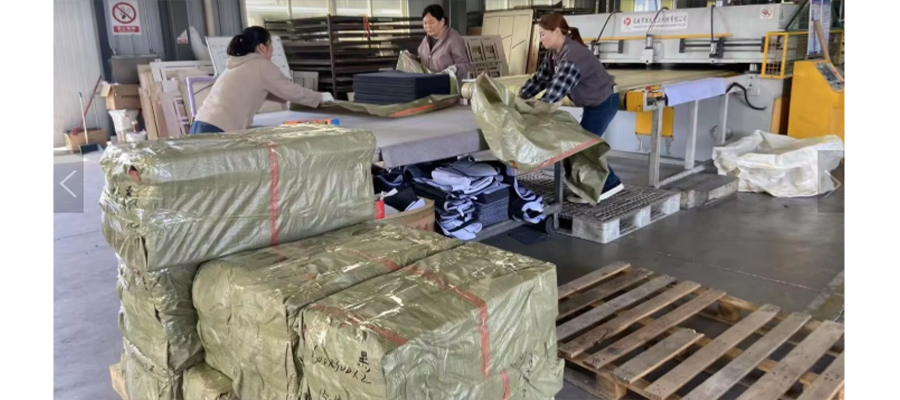
Finished mats are packaged according to customer requirements and prepared for international shipment.
How Custom Yoga Mats Are Made
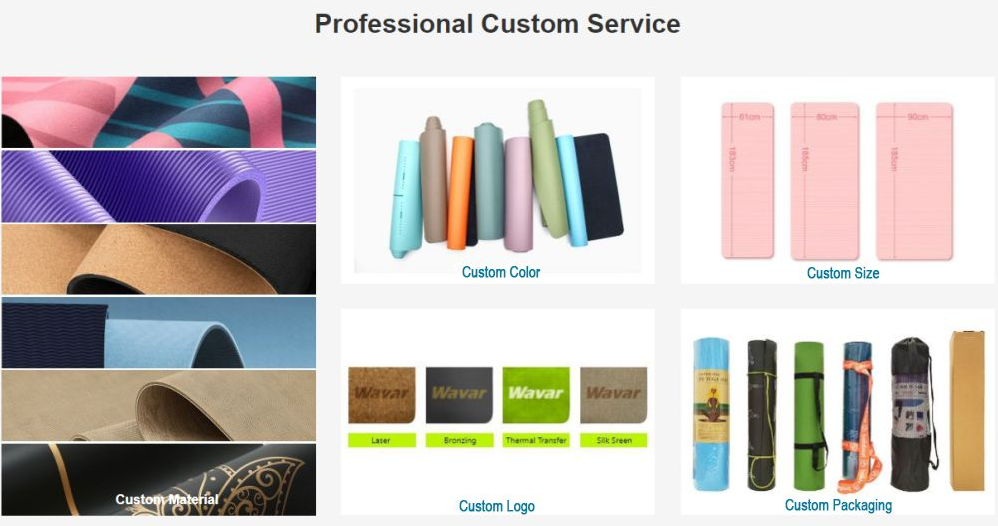
Custom yoga mats follow an OEM or private-label production process.
Customization Options
- Thickness customization
- Size customization
- Pantone color matching
- Logo printing
- Surface texture
- Custom packaging
Typical Production Workflow
- Design Consultation
- Material Selection
- Sample Production
- Sample Approval
- Mass Production
- Quality Inspection
- Shipment
Technical Quality Control: Preventing Sourcing Defects
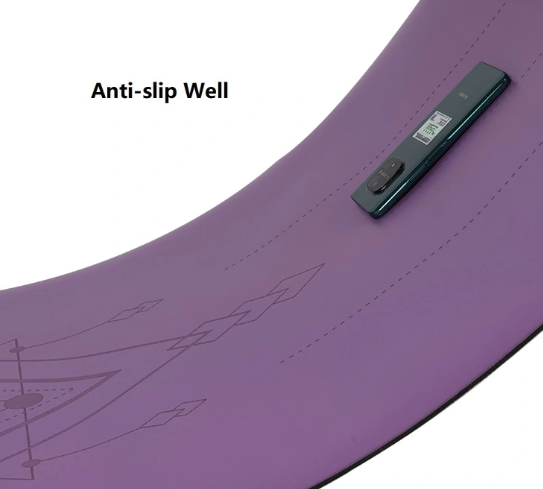
A reliable manufacturer should actively prevent common production issues.
<img src=”imgname-quality-control-lab.jpg” alt=”Yoga mat laboratory quality testing and inspection”>
Common Defects
- Air Bubbles
- Surface Cracks
- Delamination
- Uneven Thickness
- Logo Peeling
- Color Variation
Testing Procedures
- Thickness Testing
- Density Testing
- Slip Resistance Testing
- Tensile Strength Testing
- Tear Resistance Testing
- Odor Testing
- Color Fastness Testing
How We Test Yoga Mats Before Shipment
Before shipment, randomly selected mats from every production batch undergo:
- Weight verification
- Thickness verification
- Dry grip testing
- Wet grip testing
- Logo adhesion testing
- Packaging inspection
Only approved batches proceed to export shipment.
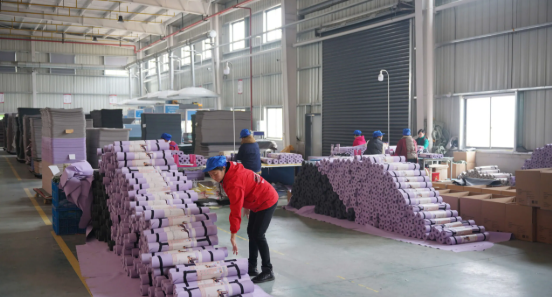
What Factors Affect Yoga Mat Manufacturing Costs?
Several variables influence production costs.
Material Type
Natural rubber and cork generally cost more than PVC and TPE.
Density and Thickness
Higher density requires more raw material and increases shipping costs.
Printing Complexity
Full-surface UV printing is more expensive than simple logo applications.
Packaging Requirements
Custom retail packaging can significantly impact total production cost.
Order Quantity
Larger production runs reduce per-unit manufacturing costs.
Required Certifications for Export Markets
International buyers increasingly require certified products.
Common certifications include:
- REACH
- RoHS
- OEKO-TEX Standard 100
- California Proposition 65
- SGS Testing Reports
Manufacturing Timeline and Lead Times
| Production Stage | Typical Time |
| Material Preparation | 1–2 Days |
| Sample Production | 5–10 Days |
| Sample Approval | 3–7 Days |
| Mass Production | 15–25 Days |
| Quality Inspection | 1–2 Days |
| Packaging & Loading | 2–3 Days |
Total Lead Time: Approximately 25–35 Days
Choosing the Right Yoga Mat for Your Brand
Budget Market
PVC Yoga Mats
Eco-Conscious Market
TPE Yoga Mats
Premium Market
Natural Rubber Yoga Mats
Hot Yoga Market
Cork Yoga Mats
Private Label Brands
TPE and Natural Rubber Yoga Mats
Frequently Asked Questions
What materials are yoga mats made from?
Most yoga mats are made from PVC, TPE, natural rubber, cork composites, or jute composites.
How are yoga mats manufactured?
The process includes mixing, foaming, sheet formation, embossing, cutting, printing, quality inspection, and packaging.
What is the most eco-friendly yoga mat material?
Natural rubber and cork are generally considered the most environmentally friendly options.
What is the standard MOQ for custom yoga mats?
MOQ varies by material and customization level, but typically ranges from 200 to 500 pieces.
How long does custom yoga mat production take?
Most custom orders require approximately 25–35 days after sample approval.
Are TPE yoga mats recyclable?
Yes. TPE can be recycled and reprocessed during manufacturing.
Which yoga mat material offers the best grip?
Natural rubber and cork provide the highest levels of traction.
How do manufacturers test yoga mats?
Manufacturers test thickness, density, slip resistance, tensile strength, odor, and color fastness.
What certifications should a yoga mat manufacturer have?
REACH, RoHS, OEKO-TEX, Prop 65, and SGS testing reports are commonly requested.
Can yoga mats be customized with logos?
Yes. Most manufacturers offer laser engraving, UV printing, and silk-screen printing options.
Final Thoughts
Understanding how yoga mats are manufactured helps brands make better sourcing decisions, improve product quality, and build stronger supply chains.
Whether you are developing a private-label yoga collection, sourcing wholesale yoga mats, or launching a new fitness brand, selecting the right material and manufacturing partner is the foundation of long-term success.